Accueil » Découvrir le musée » Les collections
Depuis son ouverture en 1984, le musée gère les collections historiques de la douane.
Témoins tangibles du temps qui passe, des modes successifs de travail et de vie, outils de la mémoire, les collections représentent une ressource inestimable en matière de recherche, de diffusion et d’éducation.
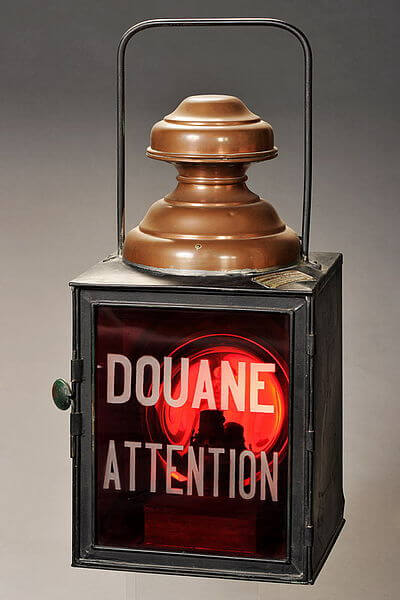
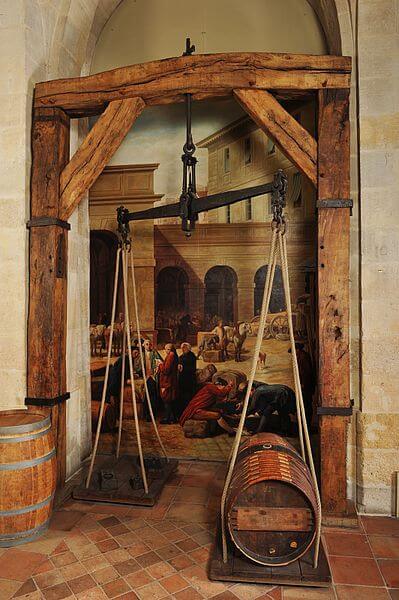
Le musée conserve aujourd’hui plus de 13 000 objets d’une grande variété, dont environ 600 sont exposés.
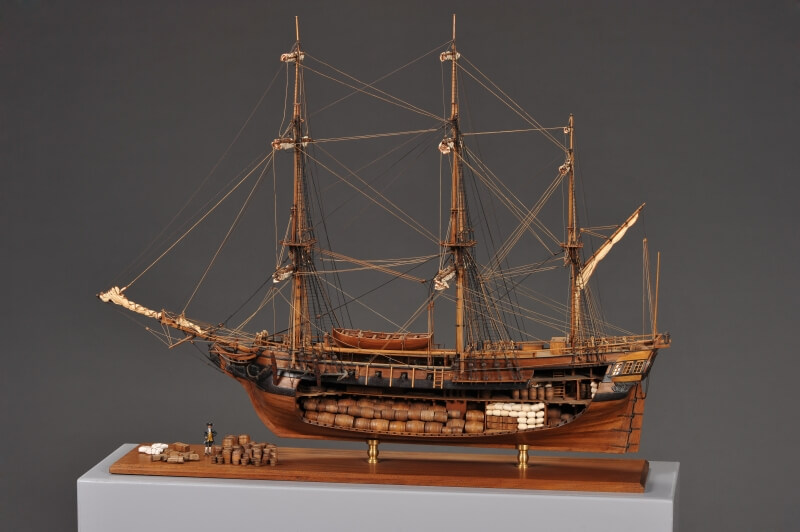
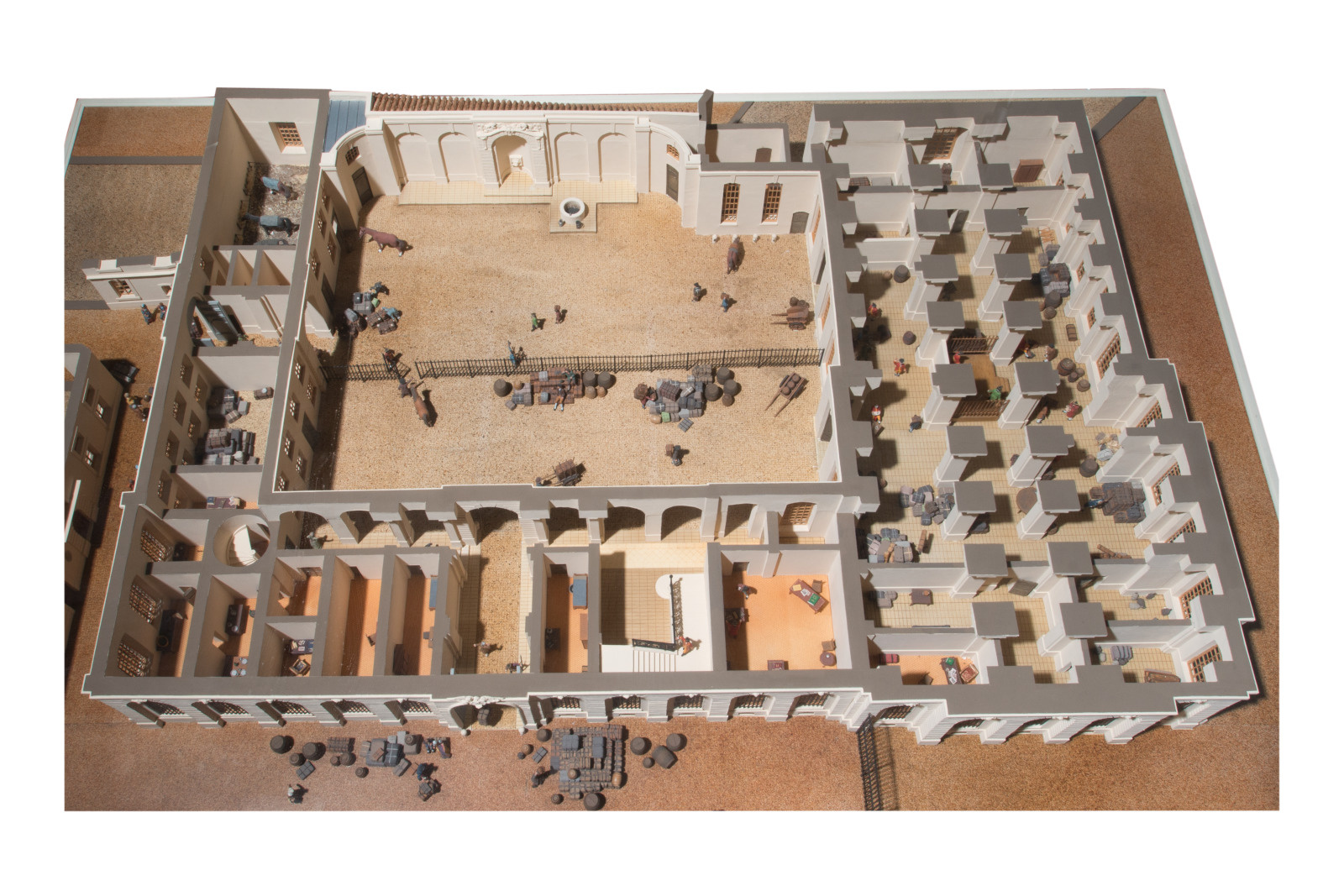
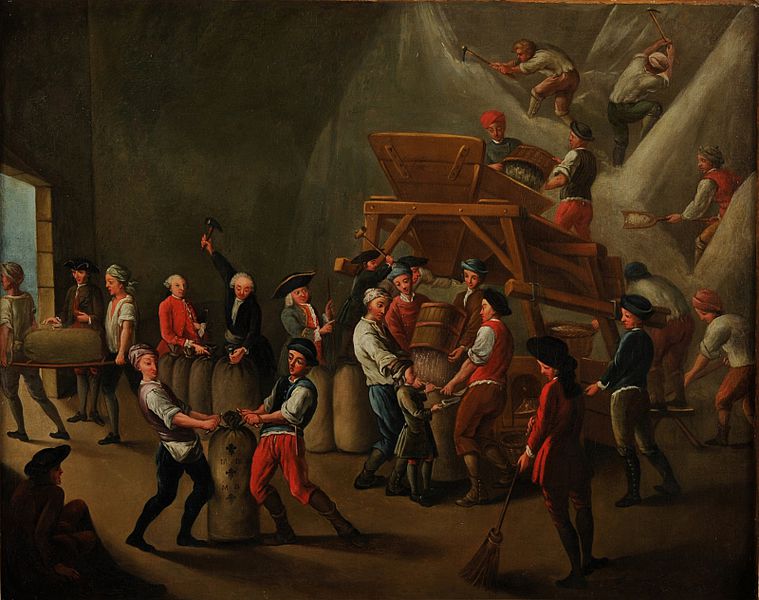
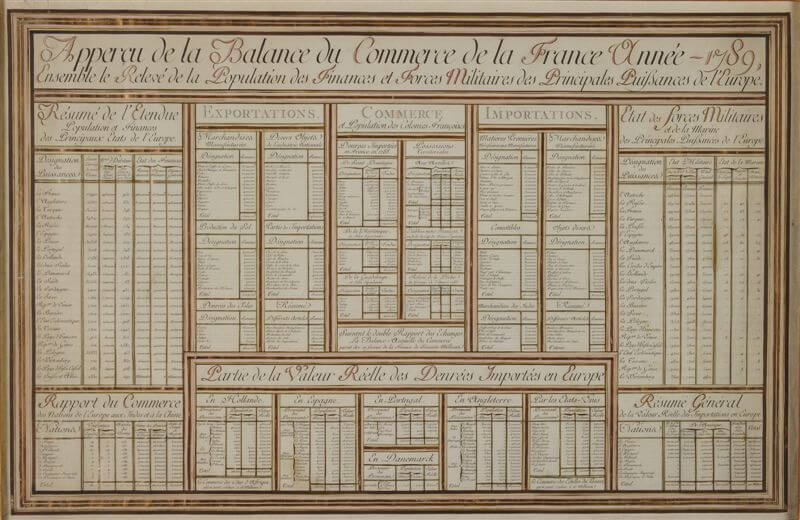
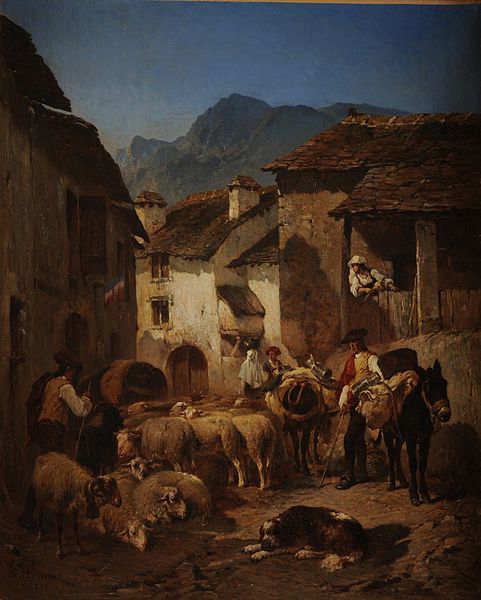
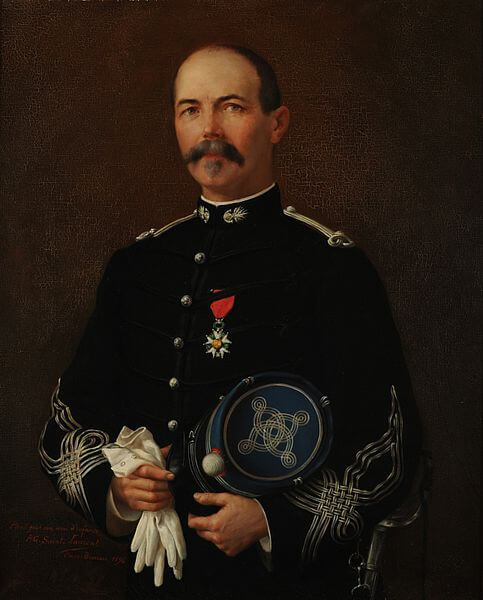
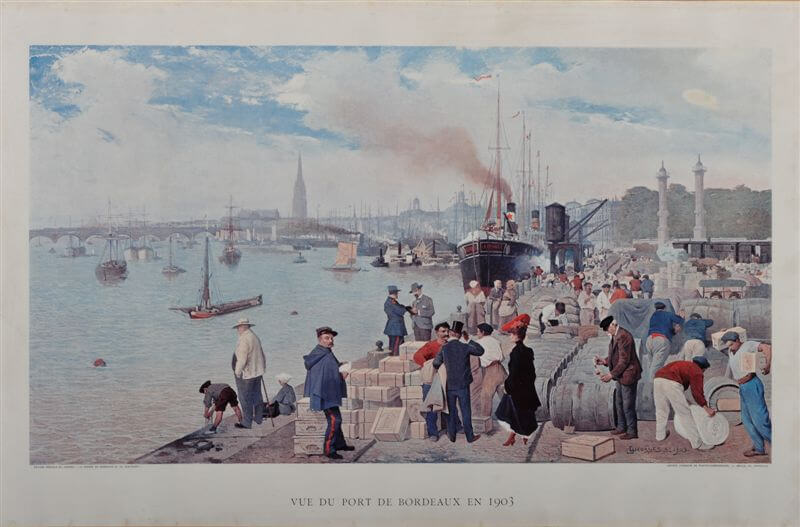
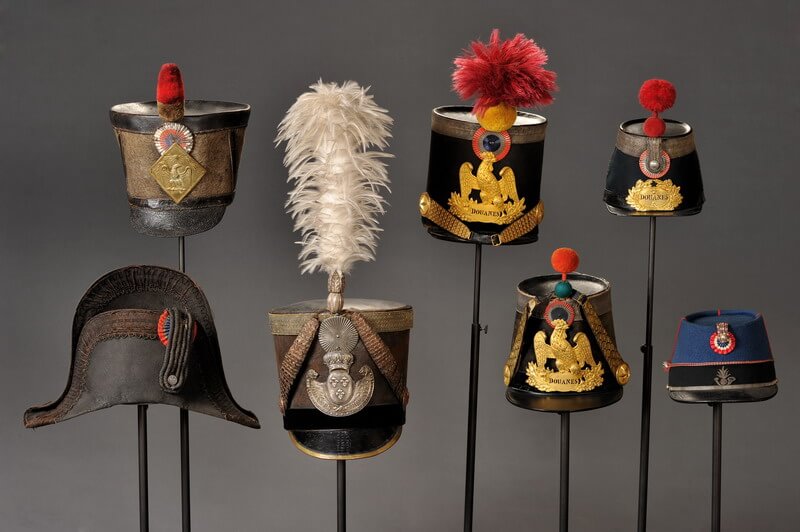
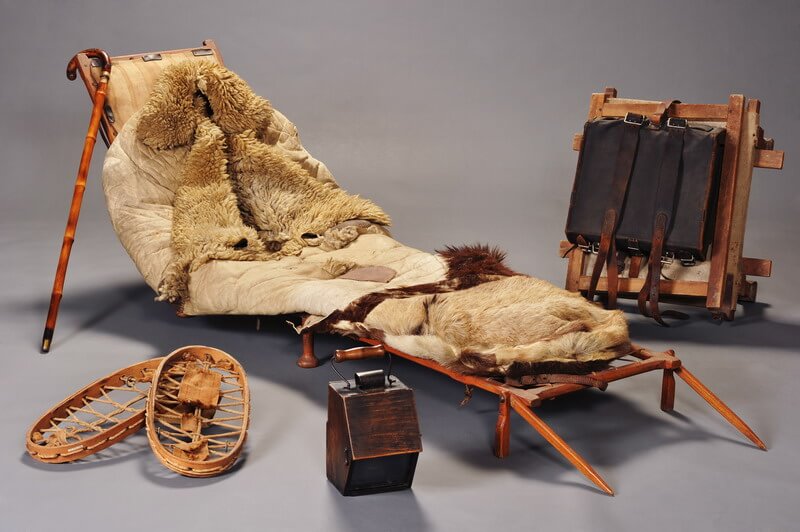
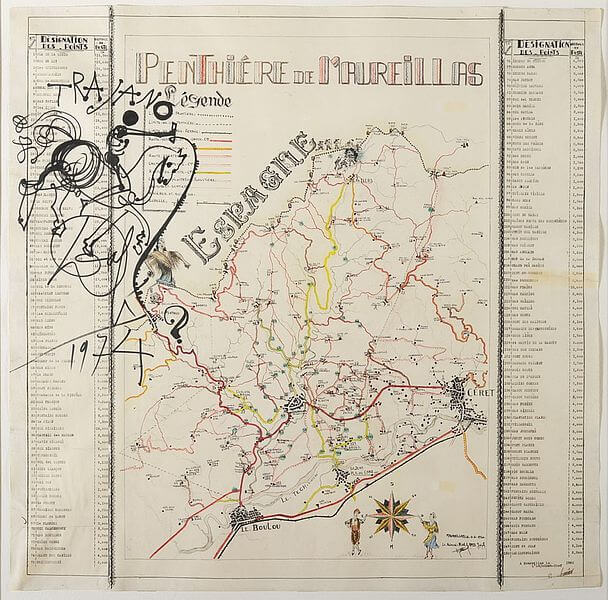
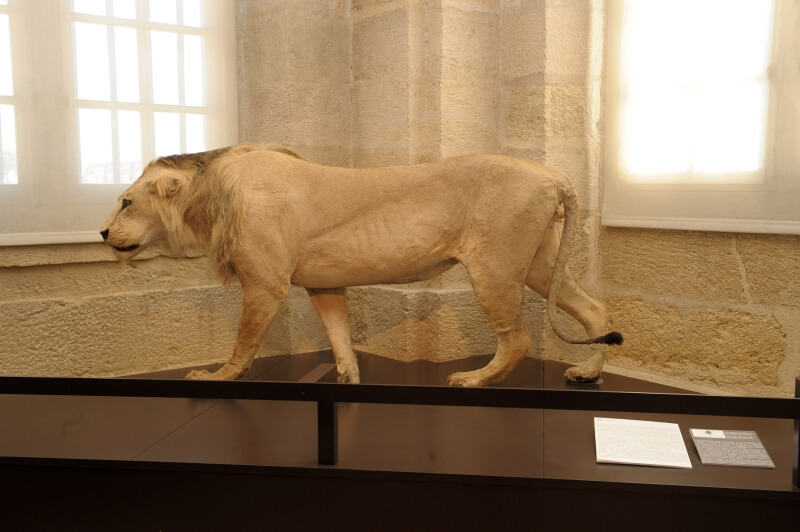
On peut y découvrir des uniformes, des outils de contrôle, des cartes, des maquettes, des sculptures, des saisies douanières… Objets précieux ou simples outils de travail, tous illustrent les multiples aspects de l’administration des douanes au fil des siècles, ainsi que le travail au quotidien de ses agents.
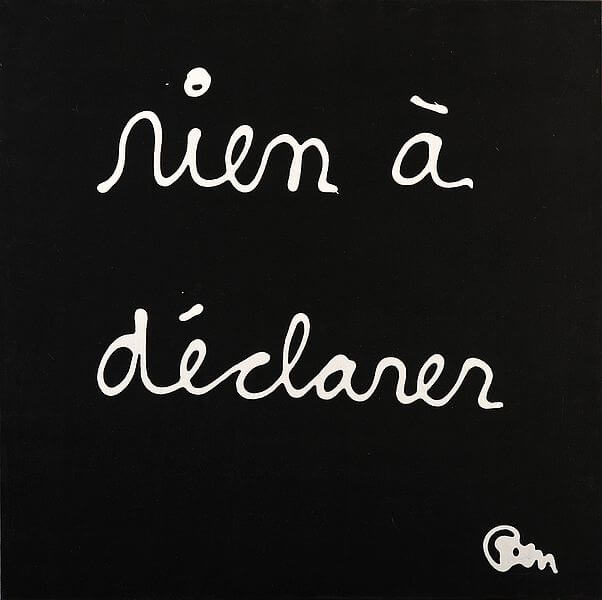
Des œuvres d’artistes majeurs tels que Claude Monet, Salvador Dali ou Ben, sont venues compléter les collections pour illustrer l’univers parfois très concret, parfois plus poétique de ce métier.
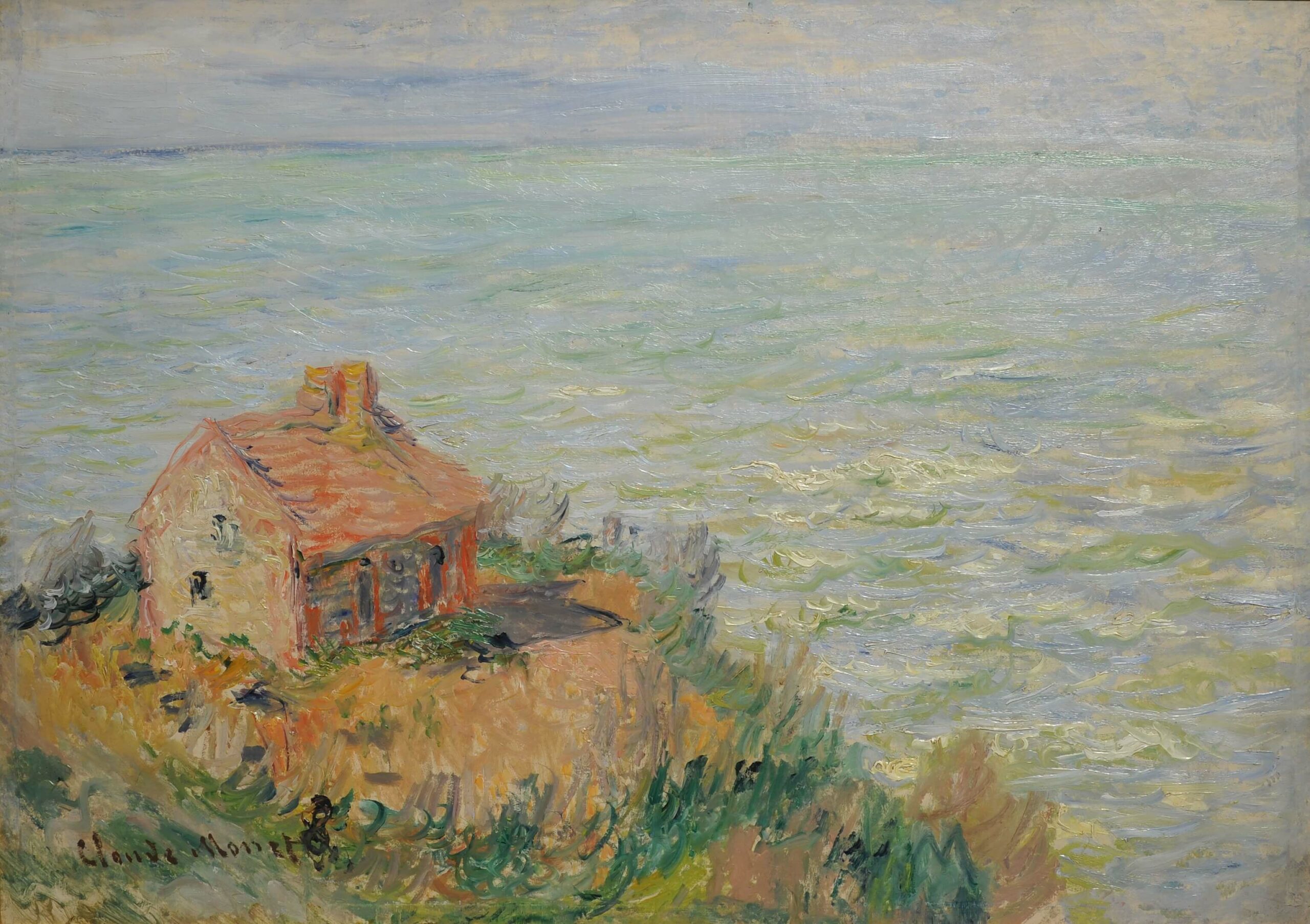
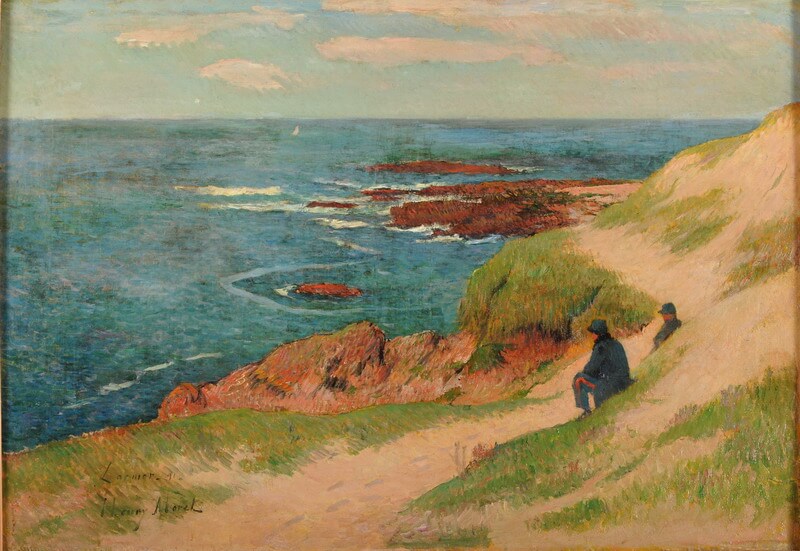
Ce tableau est sans nul doute la pièce maîtresse des collections du musée. Acquis par l’Etat lors d’une vente aux enchères en 1985, il est en dépôt au MND depuis. Son intérêt, outre son fameux auteur, est multiple, tant pour ce qui concerne l’histoire de la douane que l’histoire de l’art.
Ce paysage fut réalisé lors d’un séjour du peintre à Pourville en 1882 à l’occasion duquel Monet expérimente une démarche qui deviendra systématique dans les années 1890 : la série. Il teste les effets du matin, du soir, essayant de traduire les changements de lumière dans sa peinture, démarche qui fera sa renommée.
Acheter le poster (4 €)
©2024 Musée national des douanes - Site créé par Koredge